When the Bough Breaks


It breaks my heart everytime I watch or listen to the news and hear of another young person arrested and jailed because of poor decisions influenced by drugs and alcohol. What life experience took them down the path they are walk? Who owns the problem?What is the solution?

So many questions. So few answers.

I welcome your thoughts.

When the Bough Breaks


From the boughs of a cradle, much like you and me,

so dependent on others, so innocent and free.

He grinned with a smile that would capture your heart,

no clue that his world would soon fall apart.


Left alone once too often; forced to grow up too fast.

The pleasures that warmed him were soon part of his past.

The drugs and the booze became his whole life,

such a sense of abandon, such continuous strife


From street gangs to prison, he followed the path.

Consumed by his anger, his hatred, his wrath.

Now death by injection, the sentence he waits.

So hopeless and helpless behind steel gates


The cradle is empty, the smile worn away.

No family or friends to protect him today.

He was still just a child when he sealed his fate.

Can a difference be made or is it too late?


Is killing the answer for the decisions he made?

Is one life for another a meaningful trade?

Does the slaughter discourage repeat of the act?

Is revenge more important than facing the fact?


What lesson’s excluded when just learning to crawl

that leads one man to stumble and one to stand tall?

Is it instilling belief in one’s own self-worth?

Is it learning to love from the day of our birth?


What’s missing from life that leads children astray?

When brown bottles and needles can lure them away?

Are they lacking the skills essential to cope?

Have they sunken so low there’s no sense of hope?


To own our own actions, to build on mistakes

To take pride in achievements – is that what it takes?

How much is genetics and how much is fate?

Can a difference be made or is it too late?

Hidden Treasures


Sometimes the thing we’re looking for is right where we are. Hope you enjoy this story.

Hidden Treasures

Julie Perkins’ crisp November morning started before sunrise, while nosy neighbors still slept and streets weren’t snarled in traffic. Other than a few boxes stacked near the door of her studio apartment, the room was bare. Julie sold the furniture and anything that didn’t have strings attached to her heart when she received the certified letter informing her of her father’s passing.

With a loud grunt, she hoisted a box of rejected screenplay manuscripts and spiral bound notebooks and carried them to the `65 Mustang that would take her back to Missouri, provided the tires didn’t go flat and the transmission held up. “Shit,” she moaned when she realized her car key was in her hip pocket. She tried to balance the overstuffed container on the bumper with one hand. The minute she popped the trunk, a gust of wind sent papers flying out into the street. “Crap,” she cursed and dropped the box into the trunk.

By the time everything was retrieved and the final boxes were loaded, sweat dripped down Julie’s neck. Now hot and exhausted, she rolled down the windows, put the car in gear and took off.  Screw this town. I wish I’d never come here. Tears stung with the acknowledgment.

As an only child, Julie swore Hollywood whispered her name in dreams. She envisioned walking on stage to receive an award for best screenplay. She wanted fame and fortune. She wanted to be somebody special. Growing up in the rural Ozark Mountains didn’t afford those opportunities. Julie’s mother, gone since she was twelve, would have understood. She took Julie to the matinee every time a new movie came out.

Her dad, on the other hand, fumed and cussed at Julie, calling her a fool for chasing an elusive dream. “Everything you need is right here,” he’d insisted. The more he talked, the more relentless she was to prove him wrong. Julie never forgot his hurtful words the morning she decided to go. ‘If you leave, don’t come crawling back.’ Too proud to admit defeat, she never returned. Spirit-broken and alone, the need to return to her childhood home tugged at her heart.

The man standing by the stoplight went unnoticed by Julie until he reached into the car and snatched her purse from the passenger seat. “Nooo!” she screamed. He took off down an alley with Julie following close behind in her car. “Stop!” The thief ducked between two buildings and disappeared. What the hell am I going to do now?

Julie circled back around determined to find her belongings. Surely the man would dispose of her purse quickly. A trash bin caught her eye and she threw the car in park, leaving it idle while she dug into the nasty metal container. “Got it.” Pleased with her find, she brushed off her jeans and straightened her blouse, just in time to see her car drive off. “Son of a bitch!”

The sun glared overhead as she stomped her way to the nearest police substation. In her furor, she hadn’t noticed the reporter standing within ear distance and armed with a camera. “Don’t you dare,” Julie protested in vain. The headlines would read, Free-Lance Writer Robbed Twice in One Day. The black mascara streaming down her tear-stained face was just the type of photo the sleazy magazine loved to print and not the kind of fame Julie imagined.

“Just doing my job, trying to make a dime. You know how it is.”

She plopped down on a park bench, distraught and homeless. On the following day, the police recovered Julie’s stolen car. Wanting no more delays, she dropped the charges against the teenage joyrider, withdrew the last of her money from the bank and with the warm California sun to her back, she headed east.

November winds had stripped the trees of their leaves, still the rolling Missouri hills brought nostalgia and a sense of peace that had escaped Julie for many years. She’d cherished the memories of picking fresh vegetables from the garden and the endless hours in the kitchen helping to snap the beans, shuck the corn and fry the chicken in preparation of the next meal.  When the sun went down, Dad would come in from tending the fields and give her a big hug.

As the Bloomsdale exit came into view, Julie noticed the addition of a large truck stop. Bet all the farmers love that. She wound her way through the back roads, past quaint little towns, and across low water bridges, in giddy anticipation of seeing the two-story home that held so many treasured memories. She hummed to the music on her radio as the miles clicked away.

The euphoric mood imploded when the house came into view. Abandoned for years, the deteriorating home mourned for attention. Not a window pane survived the solitude. The roof barely provided shelter for intrusive squirrels. Even the front door succumbed to the gravity of its unattended wounds.

“Oh my God,” Julie moaned as she shook her head in despair. The words echoed across the barren yard. Gone, the prized rose garden her mother tended to as if it were an innocent child. Gone, the field that once bore acres of corn, now overgrown with weeds. Gone, the man who protected it all. Puddles filled Julie’s eyes and she blinked to clear them. In the distance, an image appeared. Frozen in disbelief, she watched the man walk toward the house. “Dad?”

“Good, you’re finally home. Follow me.” His firm command, a faint whisper in the wind, wrapped around her and caused a shudder.

Still in command. That’s my dad. Julie smiled to herself. She reached out to touch him just as he disappeared and was met with the hard surface of the wood siding. “Dad?” Julie stepped toward the front of the house peeking through the collection of spider webs, brushing them aside as she stepped through the opening. Her father stood near the bedroom he’d shared with her mother.

“Should have given this to you sooner. Your mother wanted you to have it. I think it’s what you’ve been looking for.”

At the foot of the bed was a slat of wood, slightly ajar. She bent down and dusted off the area before removing the board. With both hands, she wiggled the old cigar box from the snug hiding place. “What is this, Dad?” She glanced up just as her father faded from view. “Dad! Don’t go!” Julie clutched the box close to her chest and hurried outside. Her father was gone. Julie collapsed to the ground sobbing.

***

Dr. James Howell escorted Julie to the front row of the theatre just as the lights flickered, indicating the play was about to begin. She glanced at her handsome date and smiled. Who would have thought I’d be here tonight? The journey had taken her thousands of mile and years of struggle, but the rewards exceeded her greatest expectations.

Her father had been right. The treasure she sought had been there all along. Had he shared it sooner, he might have celebrated with her. Inside the box had been a love story like none she had ever read. The handwritten journals provided Julie with the foundation for an award-winning screenplay and more. She’d never expected to find a family member.

The search to find her brother, placed for adoption years before Julie had been born, had taken longer than writing the screenplay but had been worth it.

Jimmy touched Julie’s hand and whispered, “I’m so glad you found me. We’re finally home.”

“Me too. Finally Home. I thought it was the perfect title for a play.”

The Threads That Bind


quilt

The Threads That Bind

Much like the intricate quilt given to me by an aunt, I believe that we are all connected by a nearly transparent thread of life. If I take the time to look, listen, and ask questions, the delicate tapestry of my world is revealed. I also believe that when I follow my heart, I end up exactly where I’m supposed to be.  I’m reposting a fresh version of a story from a couple of years ago that reinforces those beliefs.

As I skimmed a list of volunteer opportunities in my local newspaper, my eyes settled on two words, Story Keeper. I paused to read more. Story Keepers capture the meaningful moments of a patient’s life. The simple description intrigued me as I’d always dreamed of writing life stories of other people.

As enticing as the opportunity sounded, the thought of volunteering with a hospice care organization weighed heavily on my mind. The pain of watching my mother die a slow, difficult death associated to Alzheimer’s made me question my ability to perform the service and keep my emotions under control. I cut out the contact information and let the thought simmer.

The clipping remained visible near my laptop for the next two weeks, tugging at my heart and urging me to act. Finally, I picked up the phone and called the manager of volunteer services listed in the ad.

“I may be interested in the Story Keeper position. Can you tell me more about it?”

“We’re looking for someone to record the life story of a hospice patient for their family to keep as a legacy after the patient passes.”

“Oh,” I felt a hint of disappointment. “I’m not adept at electronic things, more pen to paper.”

“Why don’t you come in and talk further about it? It’s a new position. We can work through the details. And while it doesn’t involve writing, you never know where the journey will lead you. Maybe it was meant for you.”

The charismatic manager’s reassuring words urged me to make a leap of faith. I met with her to learn more. Within two weeks, I’d completed all the prerequisites: TB tests, study guides about working with hospice patients, and Hepatitis injections.

It wasn’t long before I was assigned my first visit. I studied the manual that came with the small, hand-held recorder. Since I was the first person to fill the position, training had been minimal. The anxiety and nervousness I anticipated never surfaced. Instead, an unexpected tranquility about the process made me excited to get started.

“The patient is hesitant to make the recording.” My manager warned me on the drive to his home. “The wife is urging him to do it for her. I thought you should know before we get there.”

The patient’s wife greeted us at the door and invited us in. The man, already seated in a recliner, extended his hand and nodded as he studied my face.

My manager made introductions and a brief explanation for our visit. The man frowned and grumbled, pursing his lips. Then it was my turn to speak. I wanted to help him relax and feel comfortable about the recording.

“We’re just going to talk today. I’d like to get to know you and your wife.”

“Ok.” The tense lines around the man’s eyes eased.

“Did you grow up in Florissant?” I smiled and tilted my head awaiting his response.

“Jennings. I went to Corpus Christi grade school.”

“I know that school. I attended St. Paul the Apostle. We were practically neighbors.”

“I went to St. Paul’s!” His wife announced with excitement. “Oh my goodness! You’re Dorothy’s daughter. I saw the resemblance to your mother when you first arrived, but couldn’t place who you were.”

My eyes welled with tears at the mention of my mother. I was unable to say anything for fear I’d start crying.

“I’m your grandmother’s niece. We’re cousins. I grew up two blocks from you.”

I realized that I knew her parents well, but because of our age difference, our paths had crossed briefly, probably at a funeral, but at a time when I was too young to remember. The emotional journey over the next hour was emotionally rewarding. The wonderful stories about my mother, who was an only child, and her distant cousins with whom I had lost touch over the years, brought such joy to my heart, I left the visit feeling like I was given a gift, one that I would treasure for life and share with my siblings. I even learned that my grandfather saved my cousin from drowning in the Mississippi River when she was a teenager.

Over the next few visits, I recorded heartwarming and memorable stories told to me by the patient and his wife. From their heritage, to their marriage and their many life experiences, we worked together to create a treasured gift for their children, grandchildren and future generations. I completed the project and presented the audio recording to them on their 65th anniversary.

Although the story doesn’t end there, in fact it is just the beginning of my journey, I’ve learned my readers are busy folks and prefer quick reads. I’ll share more in my next post.

Meanwhile, I’d love to hear from you.

When have you made an unexpected connection with someone?

Do you follow your heart or are you more likely to try and control where you are headed?

A Flash of Hope


I thought the timing was right for this first place short story.

The news too often is filled with suicides, gang wars and school shootings. Most of us feel helpless to make a change. But I believe it all begins with family.

We teach children values and morals through our words and actions. Bullying, rejection and hurtful words last a lifetime. But, so do acceptance, friendship and love.

I hope that no matter where you are in this world, you show compassion for others by your words and actions. You never know the crosses they carry or how your words will affect them.

I invite you to share your thoughts and stories so that we can join hands in making this school year a great experience for all of our future leaders.

world-map[1]


A Flash of Hope

Lakeisha cursed to herself as she gripped the blank notebook with one hand while using the other to push a divergent black curl out of her face. The January winds whipped furiously as she waited for the bus to arrive. The English assignment, due Friday, wore on her mind. Normally, she’d be finished by the time she got home from school. Not this time. For two days she’d stared at the paper, the words refusing to bleed from her pen.

“What is your dream?” Ms. Lowery made it sound as if every student lived a normal life, complete with options and the financial support to achieve them. “College? Career? Travel? Write what you want to happen Did she have any idea what my life is like? NO! The question seemed cruel to the new transfer student.

I have no dreams. Lakeisha lived in the real world, filled with responsibilities and hardships, drugs and booze, bill collectors and angry people. Her days left no room for dreams. With a mother imprisoned for selling drugs and a father killed when she was five, the chance of having a successful career was improbable. College was out of the question. A high school education, if she were lucky enough to finish the year, would get her a minimum wage job.

Many of her classmates had applied to numerous colleges and waited anxiously to hear from each. Her goals? The first, survival, avoiding gang fights that erupted into gun battles at any given time. Walking from the bus stop to her front door involved risk. The second, keeping the electricity on. Dreams? How am I supposed to write about such foolishness?

There had been much controversy between the districts when the decision was made to transfer students from failing inner city schools to academically successful ones in affluent neighborhoods. At first, Lakeisha felt a tinge of excitement, holding out hope that she’d make new friends and learn useful skills. Hope faded quickly during the first week. The long commute added more stress to her day and limited the hours she could work.

Cliques of girls that didn’t look like her, didn’t speak like her, and didn’t dress like her, whispered and giggled as she walked alone through the long hallways. Even the boys said lewd and offensive things, much like those in her old school, just in hushed voices.

Lakeisha knew why she’d been unable to complete the assignment. She wanted to tell the truth, not lie or pretend her future held magnificent opportunities. Dreams required more than just imagination. She wanted to respond to the snickers as they pointed to the same pair of shoes she wore every day. Her threads came from nearby dumpsters or Goodwill, hardly the place to find a dress for the upcoming prom.

It hurt to watch the students snub their noses at lunch menus and throw away perfectly good trays of food, knowing how many times she’d stood in soup lines waiting for a meal. Their spoiled, over-indulgent lifestyles sickened her. The anger boiled inside her head as she squeezed her pen. Suddenly, the words spilled across the paper. One page filled, she flipped the notebook and began another without pausing. The furor didn’t’ stop until ink seeped to the edges of a dozen pages.

With trembling hands, Lakeisha slammed the notebook closed, pressed it against her chest and glanced around to reassure herself of the private moment. The corners of her lips turned upward in acknowledgement of her decision. I’m done! And I’m going to turn this in, no matter the consequences.

Sleep evaded Lakeisha as she tossed and turned in bed, bits and pieces of her essay inching through the protective wall that normally kept her worries at bay. Did I share too much? What if I have to read it out loud? Would it be worse than it already is? Fear rose in her throat and she jumped up from the bed. I should rewrite it.

She picked up the spiral-bound notebook and studied the cover that was filled with her favorite words. Words like dauntless, temerity, indomitable. Words never spoken in the world she lived in, but so inspirational to Lakeisha. Somewhere in the recesses of her mind, a quote from the late Dr. Martin Luther King, Jr. emerged. “Take the first step in faith. You don’t have to see the whole staircase, just take the first step.”

The frantic doubt that had unnerved her earlier settled down to a vibration. She placed the unopened notebook on top of her coat, convinced the words had needed to be written and now they must be heard. I’ll be a voice for others.

***

Lakeisha held the papers tightly on the twenty mile ride to school. Silently, she repeated her conviction. I have a voice. I can make a difference. It took hold and by the time the bus arrived at school, she held her head a little higher than normal and smiled as she strode down the busy hallway.

“Sorry for the thumbprint, Ms. Lowery.” Lakeisha mumbled as she laid the assignment on the paper-free desk, aware the rest of the class had submitted their stories electronically, not scribbled on lined paper.

“Don’t worry about it.” The teacher smiled as she accepted the paper and stuck it in her drawer, out of sight. “They’re still trying to get a computer for you. Hopefully, soon.”

Her words rang like an empty promise, one she’d heard for months. I’ll be gone before it gets here.

The essay lingered in the back of her mind the rest of the day and throughout the weekend. Her emotions rode the wave from excitement to fear. One minute proud of her courage. Then next, kicking herself for lowering the wall. Upon arrival in English class on Monday, Lakeisha was greeted by Ms. Lowery.

“Before you take your seat, the principal would like to speak to you.”

“Mr. Hackmann? Why? I didn’t do anything!” The announcement rattled in her brain. Oh, Crap. My essay. They’re going to send me back to my old school.

“You can put your books down first.” Ms. Lowery looked at the blackboard as she spoke.

Lakeisha left the room on trembling legs, stopping at the water fountain to sooth her parched throat. A bright light shined on the metal object, her mouth agape at the brilliance as she searched for the source in the windowless hall. Suddenly, the place she’d dreaded walking down every day took on a significance she’d not previously considered. My ancestors were never allowed to walk this hall, much less quench their thirst from this fountain.

The unexpected affirmation filled her with renewed courage. Changes were made by brave people who dared to speak up. I have a voice. I can make a difference. She repeated the mantra as she walked through Mr. Hackmann’s office door.

“Good morning, Ms. Washington. Please have a seat.” The tall, gray-haired man gestured toward a round table aside his massive oak desk. He reached for a file folder and joined her. “How are you today?”

“I was fine until I got called to see you. What did I do?” Lakeisha’s voice sharp, but respectful.

“I understand you wrote this essay.” He passed the lined papers to Lakeisha as he spoke.

“Yes, sir. I did.” Lakeisha straightened her back and look directly at Mr. Hackmann, prepared to defend her assignment.

“Ms. Lowery was kind enough to share your story with me and my staff.”

“And?” Her question blurted out more defensively than she’d intended.

“Your words stung. Painfully.” He furrowed his brows and shook his head side to side, looking down at the floor. “I’ve always prided myself on being in tune with my students.”

Lakeisha stirred in her chair, unsure how to respond.

The man drew in a long breath that filled his chest, then looked at Lakeisha with moist eyes. “I’m sorry. I was wrong. So very wrong.” He choked as he pulled a handkerchief from his pocket and dabbed his eyes. “You have shown me how much I have to learn, how much we all have to learn.”

“You’re not mad at me?” Lakeisha tucked a curl behind her ear and leaned forward.

“Of course not, Ms. Washington. You were brave enough to share intimate details of your life and by doing so, you educated me and my staff in more ways than reading a thousand books. I want to ask a favor of you.”

“A favor of me? What could I possibly do for you?”

“Share your story with the entire school. Every teacher and student needs to hear what you have to say.” Mr. Hackmann raised a brow and waited for her response.

Lakeisha paused, her eyes flashed toward the door. “Share with everyone? Do you really think that’s a good idea? I’m not very popular with my classmates.”

“Teenagers can be hurtful, but I’ve seen the same students rally to support injustice when an issue is brought to their attention. Everyone needs a reminder of the things we take for granted. Your essay delivers a lesson they won’t soon forget. I hope you will give them a chance to show you.

***

The gymnasium buzzed with questions regarding the school assembly.

“So what’s the assembly for?”

“Just Black History Month. Boring.”

A voice loud enough to be hears across the room drew Lakeisha’s attention.

“What she’s doing up there?” One of the students glared at Lakeisha who sat on a folding chair a short distance from the stage.

You’re not going to rattle me today. This is too important. Lakeisha directed her attention to the hundreds of students taking their seats. Ms. Lowery worked her way through the crowd and settled into the chair next to her, gently touching her arm with a reassuring nod.

Mr. Hackmann called Lakeisha to the podium. She stepped forward, forcing her shoulders back and raising her chin.

She inhaled slowly, repeating her mantra in silence then began. “I’m Lakeisha…Jackson…a transfer student from Roosevelt High.” She glanced down at the ink filled pages for reassurance, then raised her head and continued. “I’ve been asked to share my story with you today.” Quiet murmurs buzzed the room.

“More than 50 years ago Dr. King addressed the sacred obligations of the Constitution and Declaration of Independence in his speech, I Have a Dream. His words inspired significant changes, changes that I’m privileged to experience today, just by being in this school.” Lakeisha paused, searching the room for reactions. “He also spoke of the ‘tranquilizing drug of gradualism.’ I didn’t understand what he meant until recently.

“He was saying that while America has made tremendous strides, there‘s more work to be done. Ms. Lowery assigned an essay, ‘What is your dream?’ I’ve been asked to share my response. This is what I wrote.” Lakeisha spoke slowly, deliberately as she read her essay, allowing the words time to penetrate. When she finished, Julie, the cheer leading squad captain, stood and clapped slowly. Joshua, a football quarterback followed, then another and another. Soon the entire audience joinrf in a deafening applause.

Mr. Hackmann stepped to Lakeisha’s side, a smile spread across his face. In a hushed voice, easily drowned out by the cheers, he said, “Thank you for taking the risk.” He nodded toward the assembly that continued to cheer. “I think you’ve made some new friends. Can you forgive our ignorance?”

“I can do that.” Lakeisha stepped away from the podium, moving toward her seat.

The principal stopped her and motioned to the students to sit. “Ms. Washington, we are grateful for the wisdom you’ve shared with us today. Ms. Lowery has something for you.”

Her teacher came forward carrying a package. “Lakeisha, this laptop is a small token of our appreciation for your eloquent presentation. I think I speak for the entire school in saying you’ve touched our lives in ways that will continue for years to come. Thank you.”

Lakeisha’s eyes widened and a smile spread across her face as she accepted the gift. “Thanks.” The room exploded in another round of applause. Maybe I did make a difference.

Silence Has A Voice


Blogs, email, text, twitter, FaceBook and occasionally, a phone call or face to face talk.  So many ways to connect to others. But how do we connect with friends and family who have dementia and are losing or have lost these lines of communication?  I wrote this poem during the final stages of my mother’s journey through Alzheimer’s. I think it’s what she would have said.

Silence Has a Voice


My memories of yesterday

Will become distorted over time

The written word will lose its strength

A verse will have no rhyme


The laughs we shared will pass me by

My words will make no sense

Such simple things we once enjoyed

Will often make me tense


Old photographs will fade away

Your face will lose its name

You’ll think I’ve traveled far away

But my heart will know you came


No need for words nor bouquets bright

No trinkets made of gold

No promise for tomorrow’s light

Just your hand for me to hold


Your love’s the only treasure

It will endure through all the pain

Just speak to me in silence

You’ll be my sunshine in the rain


DSCN0372

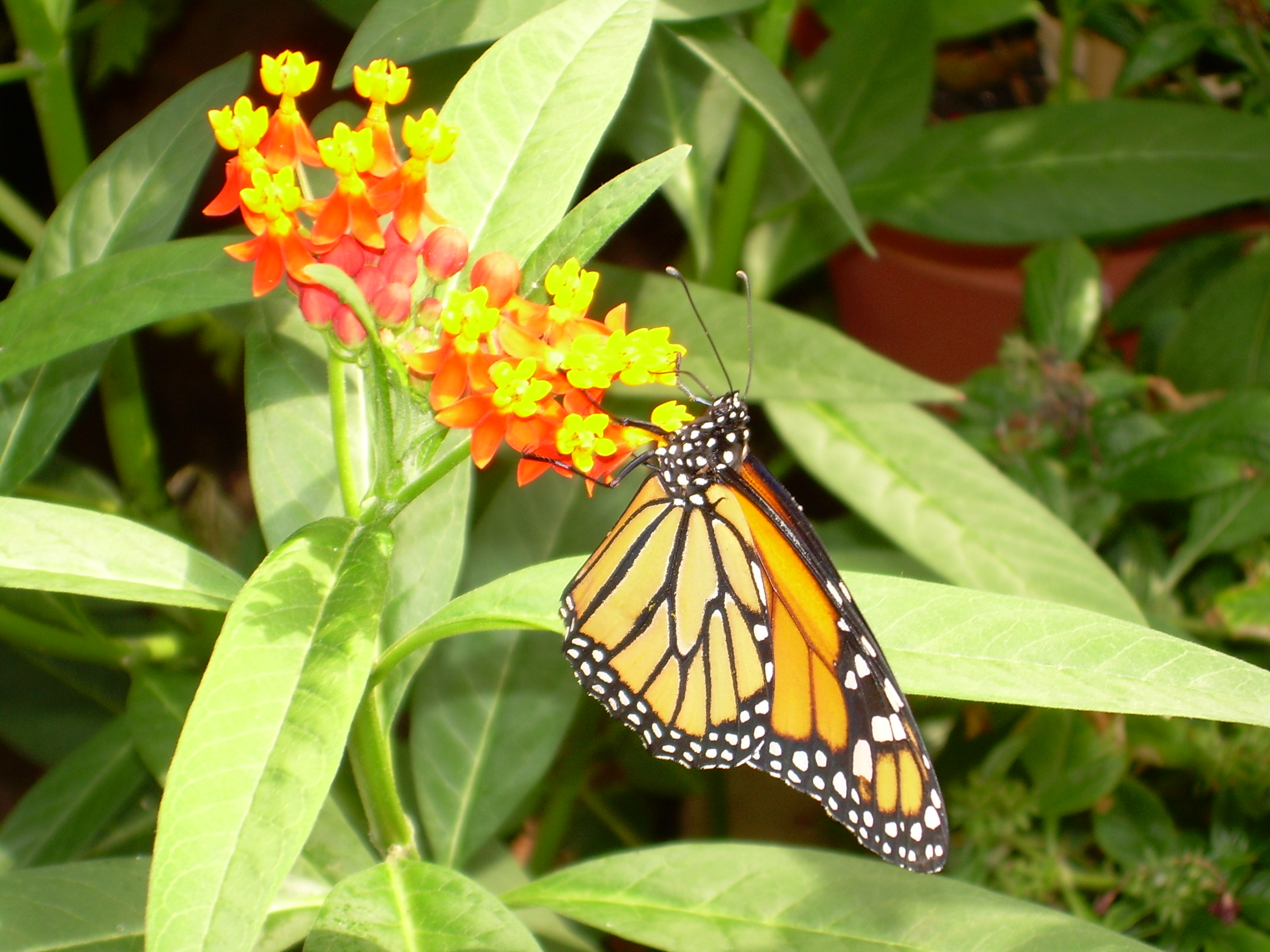
Black stained glass graces the tangerine wings that rest upon mossy green foliage while hints of dandelion yellow tickle about

Perhaps you have a loved one who just needs to hold your hand. Don’t miss the chance to visit with him or her. Words aren’t always necessary. Silence has a voice.

The Finishing Touch


This is one of my favorite fiction short stories I’ve written. It features our grand dog as a hero. I hope you enjoy it.

The Finishing Touch

LaptopComputer Finally, I’m going to finish my novel. The thought danced in my head as I packed the last few items in a suitcase. The tattered manuscript, with all its scribbled edges and sticky notes, was already stuffed in a padded pouch with my laptop. Food for a week, essential chocolate and wine stash included, were secured in the oversized cooler. The plan was simple. No television, no internet access, no interruptions. Just me and the computer. Oh, and one sixty-five pound grand dog, Hammie.
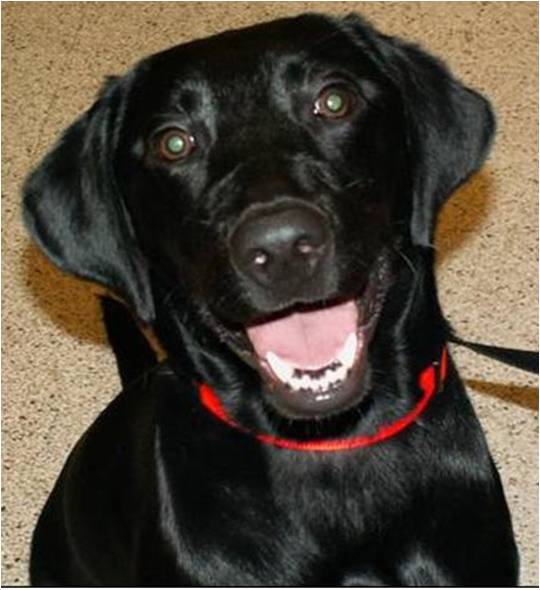
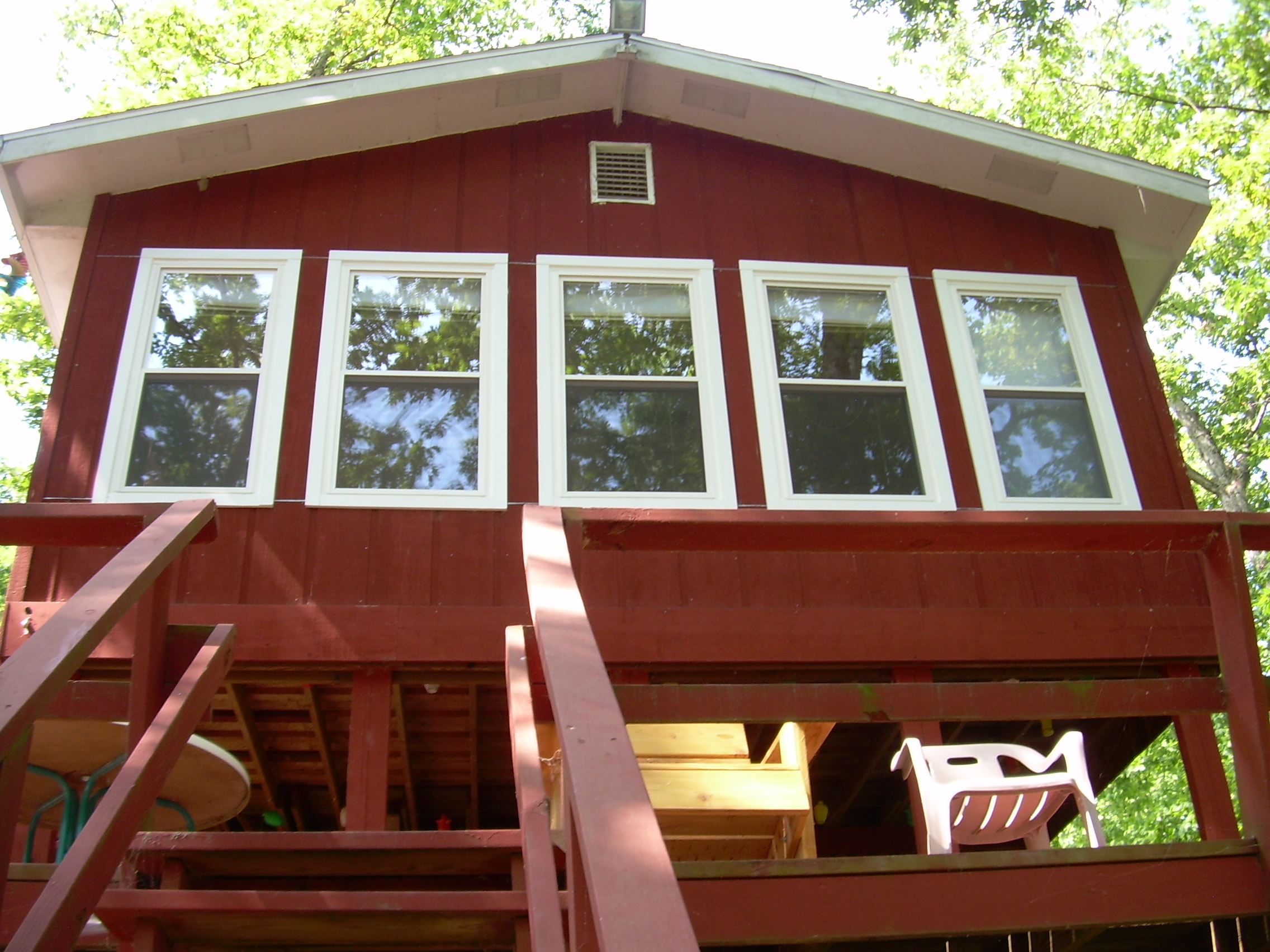
Convincing my husband that I could survive alone for a few days in our daughter’s summer home in Missouri at the Lake of the Ozarks required a plan of action. I memorized the exact procedure for turning on and off the water source and for operating the heating unit. Short of using flash cards, I demonstrated on paper that I could recognize and eliminate (or avoid) venomous snakes and spiders. Emergency phone numbers were entered into my speed dial and I promised to call him every evening reassuring him I hadn’t been murdered by a stranger lurking in the woods. At first I rejected his insistence that I take our daughter’s black lab with me. An unspoken sense of insecurity made me agree.hammyA

I appreciated his concerns and knew he would worry until I returned, but my desire to accomplish a task started years earlier pressed me forward. “Our forty-four years of marriage have been a blessing,” I reasoned with my spouse, “but a week of independence to complete my first novel is a necessity.” He didn’t share my passion for writing, but he respected it.
Splashes of crimson dappled the nearly bare hills, the result of nibbling cold fronts that visited the area the past few weeks. I made a brief pit stop in Kingdom City to stretch my legs and empty my bladder. Of course my four-legged friend needed to do the same. As he stopped and sniffed every few feet, I laughed, remembering my daughter’s warning that he’d want to check his “pee mail” too.

Back on the road, I sang along with Willie Nelson as he strummed his guitar to On The Road Again. Hammie stared out the window. I swear he shook his head as if to remind me I can’t carry a note. Too bad. My car, my rules. Soon, the billboards boasted the many venues near Bagnell Dam, my exit. The sparsely populated countryside reminded me of cherished excursions in my grandpa’s ‘57 Ford Fairlane. The blacktop road twisted and turned for the next twenty minutes. I slowed to a crawl at the last turn where the tree covered road narrowed to one lane. At the crest of a hill, I made a sharp left onto the graveled driveway where the red wood A-frame, greeted me.

DSCN0607

I turned off the engine and set the parking brake. Leaves blanketed the ground all the way down the steep hill to the water’s edge. No cars or neighbors were visible at the other few cabins that shared the remote cove. “Looks like we got the place to ourselves, Hammie.” His tail wagged approval as I attached his leash and helped him leap from the car. He tugged hard, ready to romp. “You can’t run free until I set up the wireless fence. Sorry buddy. With the door key in one hand and the lead in the other, I unlocked the door and entered my sanctuary.

First order of business was kicking up the heat. I pulled up the shades on the dozen windows that enclosed the Florida room to allow sun to filter in. “You’ll have to wait inside while I unpack the car.” Hammie whined and showed me his best pitiful look. “Save the guilt. It doesn’t work on me, remember?” As if he understood my announcement, he sauntered into the sun room.

Three trips to the car finished the task and I decided it was time for a break for both of us. I filled Hammie’s bowl with water and tucked a dog treat in my pocket, a bribe in case it was needed later to get him back inside. After flipping the switch on the wireless contraption, I picked up the second collar and slipped it in place. Long ago I resolved that I’d never fully understand how the machine knew how far a ninety-foot circumference was and how it could relate it to an animal. “Time to breathe in a little of this country air, buddy.” Hammie’s tail wag and pitiful moan as he nudged his nose on the door handle summed it up perfectly. I grabbed a bottle of water before heading to the deck.

The lake’s water near the dock was low and still, stirring only when an acorn dropped from a nearby tree where a squirrel packed away its final stash for the winter. Hints of late afternoon sun filtered through the towering oaks that still clenched some of their vegetation, perhaps as a cloak in anticipation of the deep cold inching closer by the hour. Leaves rustled beneath the elevated cabin as Hammie explored within his allotted space. I leaned on the railing and listened to the distinctive rat-tat-tat of a woodpecker interrupted, or perhaps accompanied by, the chirp of a cardinal warning others that company had arrived.

The temperature dipped quickly as the sun slowly disappeared. “Think it’s time to go in Ham.” A flash of the biscuit brought him running. Two crunches and the treat disappeared. “How about dinner? You getting hungry? Me too.”

After we ate, I closed all the shades and headed to the bedroom to read for a while. Hammie joined me, circling around and plopping down, then pressing his back into my side. I smiled and stroked his shiny coat. With the added warmth and enhanced sense of security, I sent a silent “thank you” to my husband.

###

We settled into a routine over the next few days with the majority of time devoted to my novel. Whenever Hammie wasn’t exploring the enticing animal scents in his designated circle, he curled up at my side with his backend toward me to show his true feelings. His deep sighs made me laugh. I guessed even dogs get bored with my writing.

So far, my plan had come together with only minor interruptions. The final chapter neared completion, yet I was distracted by something. I put the laptop in sleep mode and stood up. Perhaps the tedious attention required to complete the edits or maybe the isolation from human contact was taking its toll, but the continuous hammering by a visiting woodpecker wore on my nerves. I took my cell phone and Hammie onto the deck and searched near the roof for the enemy. I located his head pounding on the side of the cabin. A Pileated Woodpecker, one not often seen back home. My irritation turned to awe.

The sharp red crest and white underwing color of the crow-sized bird deserved to be captured, at least on my phone so I could show hubby upon my return. I needed to get the best angle. “What do you think Ham?” I swear he shook his head no. Ignoring his warning, I contemplated my move. Common sense stepped aside for the risk-taker I had become and I pushed the wooden lawn chair close to the edge of the deck. With the phone in my pocket, I worked my way higher, placing one foot on the top of the chair and the other on the hand railing, steadying myself by gripping the side of the cabin with both hands.
Perfect, I thought, as I focused in on the knocker. Unfortunately, I hadn’t planned on how to balance myself with both hands working the phone’s camera. I tapped the screen, pleased with the result for a nanosecond, until my foot slipped off the railing. My head crashed against the redwood railing, sending stars and instant pain. I plummeted down the fifteen foot drop to the ground, landing on my already injured skull. I screamed as unbearable pain split my skull and sent me into a blackened state.

###

“Honey. Honey, please wake up.”
The whisper of the faded plea stirred in a distant corner of my mind. The pain. Oh, the pain. Why so much pain? I struggled to raise my hand to message my temple, but something weighed my arm down.

“Babe, I’m here.”

I struggled to open my eyes, feeling caught between stages as if coming out of a dream. Where am I? Who’s calling me? As the fog in my brain dissipated, the stabbing leg pain intensified, then my arm joined forces with the excruciating headache. I twisted and how could turned trying to escape the torture.

“Honey, I’ll get the nurse. Hold on.”

The voice traveled closer then faded as I sensed the release of warmth from my hand. Something heavy warmed my left leg. Think, I urged myself. Flashes of memory interrupted the agonizing battle inside my body. Footsteps, rushing around the room, unfamiliar voices shouting commands to each other.
“I thought we’d lost you.” The voice that called me honey choked.

Think harder. People tugging on an arm, tape ripping, alarms. I hear alarms. I’ve heard those before, many times, but where? “Nooo!” This time I heard my own shout as the voices faded away, my futile attempts to stop the drugs from sending me back to the dark place.

###

Six weeks later, with my discharge papers signed, hubby wheeled me to the car. A metal contraption kept my neck in place while my left leg and right arm had progressed to temporary casts. My eyes grew moist as I neared the car. My daughter smiled from behind the wheel. Hammie anxiously bounced up and down in the back seat. An unexpected and welcomed sight.

My husband helped me make the painful transition from chair to car, and then settled into a back seat driver position. The dog wiggled and squirmed until he managed to gently place his nose on my shoulder, the rest of him pressed in the gap between the seats.

“I thought you might like a visit from your buddy. He visited you a few times while you were in the medically induced coma.”

“I felt his heavy body snug against mine, but I thought it was my imagination.” I stroked his furry head in appreciation. My recollection of the accident was limited to memories before the fall. Some things continued to puzzle me, like how my husband got the call after I fell. I glanced at him and started to ask again, but not wanting to test his already frayed patience. He read my thoughts and shook his head.

“Look, I’ve told you everything I know. You’re phone flew out of your hand when you fell and somehow it dialed me. I heard the screams and the continuous bark and knew something bad had happened, so I called the emergency number you left with me.”

Hammie’s eyes met mine and I studied his face for the answer and nodded. “You were right. I shouldn’t have tried it. But how did the phone dial itself?”

The black lab’s lip curled upward.

“That’s his “Elvis” smirk.” My daughter’s laughter filled the air.
“Guess it will be his little secret.” But silently I knew.

My husband’s hand extended toward me, a grin on his face as he handed me the phone. “Great picture of the woodpecker.”

Unexpected Visitor


This story is both humorous and true. Life is full of opportunities to laugh and love. Thanks to my hubby for providing both.

Unexpected Visitor


The cushion of the dining room chair has a permanent imprint of my derriere on it from many hours pecking away at my laptop. The large bay window in my living room, clearly visible from where I sit, offers enough room for imaginary acquaintances (also known to some writers as characters) to visit me as I sip a steamy cup of java and contemplate my next chapter. Unlike the coffee table that collects newspapers, magazines and soon-to-be discarded mail, the nook must be clear of distractions for my visionary friends.

There’s one item that owns the right hand corner of the nook, but normally I’m able to ignore its presence. My husband negotiated a place for his weather alert radio, the one that only chooses to blast its warnings while I’m writing an intense scene or when I’m sound asleep in the middle of the night. It purpose is important, but its timing leaves much to be desired.

One gloomy afternoon, tired of winter’s thievery, I gazed through the nearly translucent sheers to the barren yard across the street and imagined the towering maple tree budding out with hints of spring. Bright yellow tulips appeared and the succulent smell of honeysuckle filled my senses. I was nearly in the zone when a foreign object interrupted my view.

I furrowed my brow as I focused in on the intrusive disruption, my mind struggling to accept the unexpected sight. I closed my eyes and opened them again. It was still there. Perhaps it was my husband’s idea of a sick joke, I thought. Regardless, it had to go. I pushed back my chair, taking caution to not make a sound, my eyes locked on the stationary object as I stood in place. The reddish-brown, furry creature looked me straight in the eye and then dashed under the nearby couch.

A squirrel! How could a squirrel be sitting in the alcove of my living room window? I did what came naturally. I yelled for my husband. “Honey! There’s a squirrel!”

“What?” his faded response came from the bedroom.

“A squirrel!” I squealed as I retreated from my visitor.

“Where?” he asked as he dragged himself away from the television.

“In the living room.” My voice elevated to a scream as my knight-in-shining-armor made his way to my side.

“What’s he doing in here?” he asked as he searched the room and saw nothing.

I shot him a glare in response to his silly question. “How would I know?” I pointed to the corner of the room where the anxious animal sought refuge. “He’s under the couch.”

“I’ll be darned. We’ll have to let him out through the French doors,” he said as he moved toward the dining room.

“Great thought, but remember?” I tried to keep from doing an eye roll as I pointed to the doors that lead to our deck. Last month when air was coming in around the door frame, I’d asked him to fix it. His answer to nearly every household problem involved a large roll of duct tape.

He avoided making eye contact with me. Instead, he searched the room and found a plastic gate we use to keep our black, sixty pound grand-dog, Hammie, from exploring the lower level of the house when visiting. The energetic dog is deathly afraid of it and won’t get near it.

“What are you going to do with that?” I questioned.

“You’re going to keep the squirrel from going into the other rooms,” he said as he handed the expandable object to me.

I stifled a laugh as I looked at the wide gaps between the diagonals. “I don’t think this is going to do it.” As silly as the idea was, I held onto it as if somehow it would frighten the squirrel like it does the cautious dog.

Meanwhile, the intruder dashed back to the window seat, trying desperately to escape the maddening conversation, I’m sure. I listened as my husband pulled the tape from the door frame, and I tried to decide what to do if the animal scurried my way, knowing I’d drop the gate and run the other way screaming like a little girl. The noise from the tape being ripped away sent the squirrel dashing back and forth from the window seat to underneath the couch.

A blast of cold winter air greeted me as the patio door opened. My husband returned to the living room and tried to lure the errant critter out from his hiding place. I offered him a broom from the kitchen, still gripping the useless gate. He poked the handle under the sofa sending the critter into the middle of the room. Fortunately, it saw the opportunity to flee and made a direct path out the door onto the deck.

“Should’ve got a picture,” my husband suggested as he watched the animal leap off the deck and out of sight.

“Can you imagine if Hammie had been here?” The vision of the dog charging around the room brought roars of laughter as we went room to room looking for the port of entry. There were no holes in the ceiling or walls. The glass fireplace doors were closed. Nothing appeared disturbed. We surmised that it must have slipped in through a door left ajar briefly earlier in the day when my husband filled the bird feeder.

I shook my head in frustration as hubby resealed the door with more gray tape, resolving he’d be responsible for removing the gummy residue come spring, which couldn’t come soon enough for me.

As I sat back down at my computer, I worried the vision of the squirrel would distract me from reconnecting with my characters. I tried to recreate a mental picture of yellow tulips and green leaves budding from the tree, instead a furry fictional friend introduced himself. “The name’s Zippy. Better get typing.”


Anxious that the squirrel might find his way back into the house, my husband decided removal of its nest in the tree would reduce the chance of another visit. Perhaps it would encourage the animal to relocate to a neighbor’s yard, he thought. Using a long pole, he poked the sturdy structure. The squirrel lunged from a nearby branch and charged down the pole to within inches of my husband’s face. He tossed the pole to the ground, barely escaping the attack.

 “Maybe it’s protecting babies,” he surmised. A few weeks later, when there was no sign of activity, he tried again. This time he succeeded, but not without paying a price. As spring made its appearance, the irate squirrel began its revenge. Empty nut shells were deposited all over the freshly stained deck. The roots of nearly every potted plant my husband sat outside were bitten off. When tomato seedlings, carefully nurtured for months in preparation of spring, were planted in the garden, it dug them up. Twine, stored in a box on the deck, was strung across the floor, down the steps and out into the yard. Every day the struggle continued between man and beast.

As spring turned to summer, the battle intensified, sending my husband over the edge. In anticipation of the next attack by the enemy, hubby placed two large, flat rocks on the corner posts of the deck, ready to chase the enemy away at the first sighting. The next morning, both rocks were gone, the heavy objects pushed off the posts into the garden, damaging some plants when they landed. A record number of curse words were used and included a threat to get a pellet gun.

Nothing prepared either of us for the final blow. My amateur horticulturist spouse grows Plumeria plants and had the joy of having a seed pod develop on one of the plants. The unique event entitles the owner to name any successful growth of a new plant from one of the seeds. The process is tedious and often unsuccessful. The crazed animal gnawed the roots off the three remaining six inch stems that had survived months of nurturing. It was official. The squirrel won.

As fall faded to winter and skies turned grey, I needed inspiration for my next story. With new cushions on my dining room chairs and a full pot of coffee brewed, I settled down in front of my laptop and gazed out the bay window hoping to reconnect with my imaginary friends. A disturbing object next to the weather alert radio caught my attention. My eyes locked in on it as I pushed back my chair. It did not move, nor did I scream, but the laughter it brought was loud enough to be heard throughout the house. My daughter, who was blessed with a sense of humor too, left us a gift while we were out. The life-size squirrel statue looks just like Zippy.


This was another honorable mention contest winner

Saturday Writers Elements in Writing Anthology #9

https://www.amazon.com/s/ref=nb_sb_noss?url=search-alias%3Daps&field-keywords=Saturday+writers+Elements+in+Writing+Anthology&rh=i%3Aaps%2Ck%3ASaturday+writers+Elements+in+Writing+Anthology

Autumn’s Predicament


The writing prompt for this story was “Fear the Challenge.”

As the summer winds down and temperatures cool, perhaps you’ll relate my tempered love of fall. Enjoy and drop me a line if you have time.

Autumn’s Predicament

Ah, how I love fall.  It’s a nearly perfect season when hillsides are filled with splashes of vibrant crimson and gold.  A time when nature’s chilling breeze orchestrates a blissful dance of leaves drifting to the ground.  Apple orchards celebrate the season with mounds of pumpkins stacked on bales of hay.  Children dash in and out of corn mazes, squealing with delight.  Large barreled pots compete for attention with boastful yellow, rusty maroon and faded purple mums spilling to the ground.  The taste of sweet, mellow cider lingers on my lips.  I envision long, leisurely walks in thick woods and mesmerizing evenings spent snuggled near crackling bonfires.

It’s nearly perfect, this autumnal equinox.  Yet, anticipation of what follows disturbs my pleasures of October and November and causes my emotions to rise and fall like the swells of the sea.  The joy of the season is tempered by the impending void that is left when the page turns into winter.

In the silence of the night, roof tops are christened with a fine layer of glistening white.  It is a signal to dress in layers before taking my morning walk.  I round the corner of my three mile hike with my spouse and notice the chill has disappeared into delightful warmth that urges me to shed my windbreaker.  Enjoy the moment, I repeat to myself like a mantra needed to survive the inevitable.

We return home and I am drawn to the bay window for another glimpse of the masterful day.  Even after a lifetime in the area, the contrast of Missouri’s unpredictable weather still amazes me.  Yesterday’s gray clouds brought gale-force winds that stripped many trees of their treasures.  I pause to admire the inch of muted foliage that camouflage the fading green earth.  A beautiful carpet left by nature.  The sun glistens through the nearly bare branches and my heart wants to stay suspended in this place until spring arrives.

Then poof!  The spell is broken with the sound of our electric garage door opening.  With it comes a familiar knot in my stomach that begins to tighten in anticipation of the task ahead.  Mentally, I prepare to enter the war zone.

The childhood joy of diving into large piles of raked leaves evaporated many years ago.  In its place is a yearly battle between nature and man.  I hear the grinding pull of the cord and the mulching mower is cranked up.  The battle has begun.  I watch my husband take off with a vengeance.  No leaf is safe from his quest to reclaim the well-manicure yard he spent nearly two decades perfecting.

My partner of forty-plus years views the arrival of the unwanted visitors as an intrusion on his space.  His constant wrath toward the harmless innate objects begins with the first leaf that glides to the ground, daring to lay claim to his sacred ground.  Each year, his passion swells to obsession and it pushes me to dark places where angry words linger behind pursed lips.  We dangle at opposite ends of the spectrum as I struggle to understand the need to alter the natural occurrence of fall.

I force the worn leaf rake to serve as my accomplice in the vengeful attack on the helpless victims entangled in the chain-link fence.  My unwilling weapon rebels by tightening its spokes around the metal structure.  I choke back expletive phrases that threaten to escape my clenched jaw just as the hum of the motor stops.  It is my cue to come help hold the large body bag.  I pretend to ignore the signal, but guilt forces me to give up the battle with the fence and toss the rake to the ground in order to fulfill my obligation as a cohort in this crime.

With my place by the commander’s side, I steady the flimsy container as the dusty remains are deposited.  My body is positioned to avoid eye contact with the enemy for surely my fellow warrior will realize I am a traitor.  The internal struggle rises in my throat and urges me to speak my mind, but I have done so before to no avail, so I hold my tongue.  The warfare will end soon enough.

I return to the hillside to search for my weapon which has become one with the muted masses that soon will face a dismal fate.  I pry its fingers from the tight hold on the fence and continue my disheartened efforts.  My mind drifts to poetic words I think that I shall never see, a poem as lovely as a tree.  The sweat on my brow slowly dissolves the anger in my heart.

With the emerald land temporarily restored to its fiscal owner, the weapons are cleaned and stored away.  We retreat to the safety of our shelter, dusty and worn.  My gray-haired, weary warrior advances toward the bay window and nods as he admires the recapture of his territory.  I am moved by the moment and step closer to him.

“Good job babe.”

He grins, pleased with his victory, and bends down to plant a pleasurable reward on my lips.

“Thanks.”

His comforting embrace warms me and I try to savor the moment.  Tears dampen my cheeks as I watch autumn slip silently into winter.  How many more battles await us?  I fear the answer.

Love Revealed


Dear Blog,

I’m ashamed. It wasn’t my intent to neglect you. Really.

I was charmed by short stories contests and I needed all those ideas in hopes of getting published. I know, it was hurtful to ignore you for so long, but there is good news. I did get published and now I can share my winning entries with you. See, good things come from change. And now that I’m back, I’ll be sharing more often. I hope they make you smile.

Sincerely, Diane M. How

This short story was published in the 2014 Saturday Writer’s AnthologyUNDER THE SURFACE, Anthology #8.

Love revealed

I noted my morning appointment on the calendar.  The fine print underneath my scribble caught my attention.  Valentine’s Day.  It probably would have slipped by unnoticed had I not checked my schedule.

Amorous fantasies of this holiday had faded into reality sometime during our 40-plus years of marriage. Perhaps its complacency or indifference, whatever, but a simple exchange of a box of candy or a purchased card usually marks the occasion.

But, romanticism is incurable.  While the sea appears calm, under currents are never still.  Dreams, as translucent as they are, swirl just below the surface, waiting to be resurrected.  My romantic dream involves a scripted poem or a passionately profound thought, penned on linen paper, left on my pillow or tucked somewhere unexpected.

With my empty coffee cup placed in the already cluttered sink, I grabbed my coat and looked for my husband to say goodbye.

“I’ll wash those when I get back,” I nodded toward the kitchen.

“Ok.  Be safe.”  He gives me a quick peck before trailing off into the computer room.

Guess he didn’t remember either, I reason.  A deep sigh escaped my lips while I buckled the seat belt and pondered the dispassionate parting.  Even our kisses had faded to a mere brush of our lips.  I tried to remember the last time we’d hugged.

The thought dissipated when Willie Nelson’s voice echoed through the radio speakers. You Were Always on My Mind.  The song always makes me cry, so I pushed the scan button and searched for a distraction.

I pulled into the driveway of the couple I’ve come to visit and opened the car door.  The wicked, cold wind blew the notepaper from my hand, but I quickly caught it before it got away.  I grumbled under my breath while I fought to untangle the graying strands that whipped across my face as I walked to the entrance of the brick bungalow.

“Good morning, Mr. Smith.” I said to the slightly built fellow when he opened the aging red door.  “Just wanted to drop by for a short visit to see how you’re doing.”

“Please, please, come in out of the cold.”  The elderly man ushered me in and closed the door. I followed him as he shuffled past the antiquated brown couch into the tidy family room where his wife rested in a medical reclining chair.

“Look who came to see us.  It’s the hospice volunteer that called earlier.”  He grinned at the woman he had spent 67 years adoring.  I couldn’t help but notice the difference in their size.  Mrs. Smith outweighed her husband by at least 30 pounds.  How did he manage to get her into the chair, I wondered?

“Good morning Mrs. Smith.  Happy Valentine’s Day.”

The woman’s eyes darted in my direction then quickly returned to study the loose thread that dangled from the soft purple quilt wrapped around her legs.

“Oh, my.”  Mr. Smith clasped his wrinkled forehead.  “I completely forgot.  I’m not very good at remembering those things.  I should’ve bought her some flowers.”  The man berated himself as he leaned over and kissed the woman’s cheek.  “I’m sorry honey,” his voice barely audible.

“Habada, habada, habada, habada, habada.”  The robust woman smiled as she loudly proclaimed her repetitive gibberish reply.  She might be unintelligible but she’s seldom silent, I thought.

“Can you understand her?”  The 93-year-old’s voice paled in comparison to the volume coming from his wife.  His eyes pleaded with me to explain what she said.

Mr. Smith stroked his wife’s hand gently while he waited on my reply.

“Not really, but I think she forgives you.  Look at that beautiful smile.”

The man took a deep breath, patted his wife’s shoulder and wandered toward the kitchen.

“Sometimes, she seems happy, like today.  Other times, she fusses like she’s angry and her chant is more like an argument with herself, or maybe the disease.”  The old man’s voice quivered with emotion as he spoke.

“It must be difficult not knowing what she’s trying to say.”

I looked up at the framed certificate on the wall, recognition from a prominent senator for Mrs. Smith’s efforts as chairwoman of his campaign.  Next to it hung a plaque engraved with stellar remarks for her accomplishments as an instructor of English as a second language.

Every room was adorned with paintings created by Mrs. Smith.  On either side of the cherry wood china cabinet were two exquisitely detailed landscapes she painted while in Germany.  A portrait of a Japanese emperor was suspended over the piano.

Pleasant reminders of yesteryears, of happy times before Alzheimer’s disease invaded her brain and slowly stole away her ability to function independently.  It was an eleven year battle nearing the end.

“Can I help you?”  I asked as I watched Mr. Smith begin the daily routine.

“No.  I can manage,” he insisted.

The frail man picked up a plastic medicine bottle and studied it carefully before removing the cap.  He placed a pill in a ceramic bowl and then repeated the effort three more times.  Next, he prepared some instant oatmeal for the microwave.

“At least let me fix her scrambled egg.”  I suggested.

“No.  I know just how she likes it.  I have to stick to my routine or I’ll forget something.”

His eyes lingered on the microwave oven as if he was trying to decide which buttons to push.  I worried about the inevitable.  How much longer could he care for her in the home without more assistance?

I looked at the large metal contraption that consumed most of the dining room floor.  It looked like an oversize sling shot.  It was another sign that the disease was progressing rapidly.  “I see the medical lift arrived.  Will you be able to learn how to use it?”

“The nurse told me not to touch it.  She said it’ll help the staff when they give her a shower or move her from the bedroom to the chair.”  He muttered in a defeated voice.

“But if you can’t use it yourself, how are you going to get her up every day and then back to bed in the evening?  You’re going to need to make other arrangements soon.”  It was a subject I hated approaching as much as the man hated hearing.

“I’ll find a way.”  The proud man pulled a handkerchief from his pocket and lifted his glasses to dab his eyes.

The despondent look made me decide to table the discussion.

Mr. Smith wheeled his wife into the kitchen and secured her chair next to the table.  He picked up the bowl with the pills in it and using a pestle, he pulverized the contents into a white powder.  He then mixed all of it into some applesauce.

His wife continued to jabber as the proud man fed her each spoonful until every drop was scraped from the bowl.  Next, he tested the oatmeal with his lips to be sure it was the right temperature and consistency.  I felt like an intruder watching their intimate ritual.

I search for a new subject to discuss.  I decide my romantic curiosity needed to hear their love story again.

“How did you meet your wife?”

“We both grew up in small towns in southwest Missouri, not too far from each other.  I was home on leave from the Army and my buddy told me about this diner, so I decided to try it out. The misses strolled over to my booth, chewing gum and holding a pencil in one hand and a note pad in the other.  She had on a white pinafore apron and her curly red hair was tucked behind her ear.”  His eyes glistened as he spoke.  He paused to gently wipe a napkin across the woman’s lips.

“When I ordered toast and eggs, she scowled at me and told me I needed to gain some weight.”  He chuckled as he told the story.  “Those emerald green eyes hooked me and she pretty much ran the show ever since.”  He brushed his hand across her cheek.

I pointed to the collage of pictures hanging on the wall.

“You were an officer in the Army?”

“I was an airplane pilot During World War II.  She spent a lot of lonely days and nights worrying about being a widow.  But she never complained.  When the Korean War began, I flew a helicopter.  She wrote to me every day.  That’s what got me through each week.”

He nodded his head and glanced back toward his wife.  “We had some good times too.  She loved Germany and Japan.  She even learned to speak German and a little Japanese.  I think sometimes she speaks German when she’s talking.  She loved being an officer’s wife.  It wasn’t always easy, but she stayed by me through it all.”

“I can see how much you love her.  It shows in the way you fix her meals and give her the meds, even in the way you touch her so tenderly.”

“She took care of me for more than 50 years.  She kept me on schedule and made sure I remembered people’s names.  I couldn’t have done it without her.”  He gazed into her eyes as he spoke.

“I never told her how much I appreciated it.  I often forgot her birthday.  I seldom sent her flowers, never had a romantic bone in my body.  But I love her and hope she knows it.  Now, it’s my turn to take care of her,” he said as he brushed her thinning silver hair.  “I just hope I’m doing it half as well as she did.”

His soft spoken words made the tears spill from my eyes.  There it was.  Love in its most powerful form.  Tested and true.  Unwritten.  Unspoken.  Unconditional love.

I cleared my throat and wiped my eyes.  “Actions speak louder than words.  You’re doing just fine.”  I reassured the gentleman as I prepared to leave.  He walked me to the door and I gave his hand a gentle squeeze.

The morning replayed in my mind as I drove home.  No flowers, no candy, no card.  Yet, the profound love I had just witnessed left an imprint on my heart and inspired me to make a detour before going home.

A short time later, I pulled into the garage and gathered the grocery bags out of the back seat.  As I climbed the stairs of our split level house, I heard my husband get up from the couch and meet me at the top of the stairs.

“You went shopping?” he asked.

“Thought I’d fix us some steaks and potatoes for dinner tonight.”  I replied as I put the items away.

“Sorry, I forgot to wish you a Happy Valentine’s Day before you left,” he said.

The sun reflected on the shiny, clean counter top.  I glanced toward the sink and noticed the dishes had disappeared and the floor had been mopped.  I smiled to myself.

I drew him close and the unexpected passionate kiss I planted on his lips brought a smile to his face.  “I was going to say thanks, but actions speak louder than words,” I said as I took his hand and led him into the bedroom.